
Guide · 7 minute read
Is undersealing a car worth it?
By Nick Auto Detailing · Updated 9 November 2026
The short answer
Undersealing is worth it on a car you plan to keep for years, on a 4x4, pickup or van that meets mud, beaches or boat slipways, and on an older car whose underside is still solid. On those it usually costs far less than the welding it puts off. It is rarely worth it on a car you will hand back within two or three years, because the factory protection will outlast your time with it. And it is too late as a cure once the metal has holes in it: that needs a welder first. Whether it works comes down to the preparation. The underside has to be washed clean of salt and mud, dried right through and checked, and any surface rust treated, before a coating goes on. Underseal sprayed over dirt, damp or rust traps them against the metal and hides the damage while it carries on.
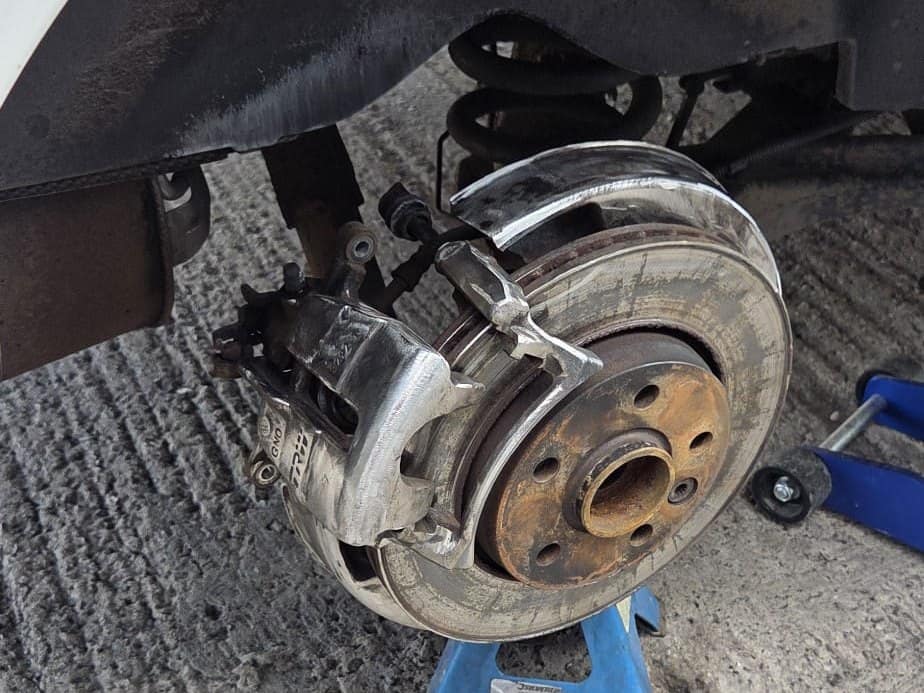
Which cars it pays off on
| Your car | Worth it? | Why |
|---|---|---|
| A car you plan to keep five years or more | Yes | Rust underneath is slow, and the owner who keeps the car is the one who pays for it |
| An older car that is still solid underneath | Yes, the best value | Surface rust can still be treated and sealed; a few more winters and it may need welding |
| A 4x4, pickup or van used off-road, on beaches or for launching a boat | Yes | Mud, sand and salt water pack into the chassis and stay wet for weeks |
| A lease or PCP car going back in two or three years | Rarely | On a new car, rust underneath takes longer than that to matter |
| A car with holes or soft, flaking metal in the structure | Not yet | It needs a welder first; a coating over rot hides it and does not stop it |
Age is not the test. What matters is how long you will own the car and what its underside meets.
Why modern cars still rust underneath
Car bodies are far better protected than they were thirty years ago: most shells are galvanised, and plastic liners keep much of the spray out of the arches. The parts bolted underneath get less care. Subframes, suspension arms, spring seats, brake pipes and exhaust hangers are often plain painted steel, and they sit in the spray from the wheels all winter.
Gritting salt turns that damp into damage, because salty water rusts steel faster than rain and keeps it wet for longer. Around Deeside the A55 and the A494 are gritted whenever ice is forecast, and cars kept along the coast get salt off the sea as well. It shows first where the factory coating is already broken: jacking points, arch lips, seams, and anywhere a kerb or a speed bump has scraped.
Look under your own car first
Ten minutes with a torch tells you which row your car is in. Look on a dry day, on level ground, and never go under a car held up only by a jack.
- Turn the steering to full lock and look into the front arches, at the spring seats, the suspension arms and the back edge where mud collects
- Feel along the bottom of the sills and the arch lips for bubbled paint or a rough, scabby edge
- Look at the jacking points, the rear axle and the brake pipes for brown scale
- Read the advisories on the last few MOT certificates: 'corroded' is the early warning, and any car's MOT history is free to look up on gov.uk
- Press anything that looks bad with a screwdriver handle: surface rust is brown and firm, rot is layered, flaky or soft
Brown and firm is the stage where protection earns its money. Soft or holed metal near a suspension mount, a seat belt mount or a sill is a repair, and it comes before any coating.
Underseal, wax or lanolin
- Bitumen or rubberised underseal: the traditional black coating, a tough skin against stone chips; when it cracks with age, water gets behind it and the rust carries on out of sight
- Wax-based coatings: they stay soft, creep into seams and close over small scrapes, and need topping up as the maker advises
- Lanolin coatings: made from wool grease, they push moisture out of seams but wash off sooner, so they are renewed more often
- Cavity wax: misted inside sills, box sections and doors, where a lot of rust starts from the inside out
Ask anyone you book with which of these is going on your car, and how often it needs redoing.
What goes wrong with a cheap job
Most bad undersealing looks fine on the day. Coating sprayed over road dirt never bonds, and it peels off in sheets within a winter. Coating over a damp floor seals the water in. Coating over rust that was not brushed back and treated hides it while it spreads. And when everything is fogged black, brake pipes included, the MOT tester can no longer see what they need to check.
That is why a freshly blackened underside on a used car for sale deserves a second look, and why a proper job is mostly washing, drying and looking. The spraying is the short part.
Doing it yourself
It can be done at home, and plenty of people do it. The hard part is everything before the spraying: getting the car up safely on ramps or axle stands, washing the underside without a lift, and getting it dry, which outdoors in a North Wales winter can take days. On a nearly new car that is already clean and dry, a careful home job is reasonable. On a car with ten winters of salt on it, the preparation is the job.
What moves the price
- The size of the vehicle: a pickup or a van has far more underside than a hatchback
- How much packed mud has to be washed out, and how much rust brushed back and treated
- Whether the wheels, undertrays and arch liners come off, so the coating reaches what they cover
- The type of coating, and whether the insides of the sills and box sections are waxed too
A price given without seeing the car, or at least photos of the underside, is a guess.
If you would rather have it done
Nick does underbody cleaning and rust protection at the studio on Dock Road in Connah's Quay, for cars from Deeside, Chester, Wrexham and Flintshire. The underside is washed, dried and inspected, and you are told what is surface rust and what needs a welder before any coating goes on. Send the make, model and age of the car, and a photo underneath if you can, for a price.
Questions people ask
Is it too late to underseal a car in winter?
No, as long as it is done indoors. The salt has to be washed off and the underside dried right through before any coating goes on, which cannot be done on a cold, wet driveway.
How long does underseal last?
It depends on the type and how the car is used. A hard bitumen coating can last many years but needs checking for cracks; wax and lanolin coatings wear thin and are topped up as the maker advises. A look underneath every autumn keeps any of them working.
Can you underseal over rust?
Over light surface rust that has been brushed back and treated, yes. Over loose, flaking or damp rust, no: the coating hides it and holds moisture against it. Metal that has rusted through needs welding first.
Is underseal the same as rust proofing?
People use both for the same job. Strictly, underseal is the coating on the outside of the floor, the arches and the chassis, and rust proofing also covers wax misted inside the sills, box sections and doors.
Does washing under the car in winter help?
Yes. Rinsing the underside and the arches every couple of weeks while the roads are gritted, with the steering on full lock so the water reaches the back of the arches, takes the salt off before it can do its work.
Next step
Get a quote, or send Nick a photo
Tell Nick the car and what is bothering you. A couple of photos on WhatsApp is the quickest way to an honest price, or use the quote form. You pay on the day, when the work is done.